
Rotational grazing, explained by someone who actually does it
Grass grows grass — everything else is bookkeeping. Eleven years of rest-and-rotation on a wet hill farm, mistakes included.
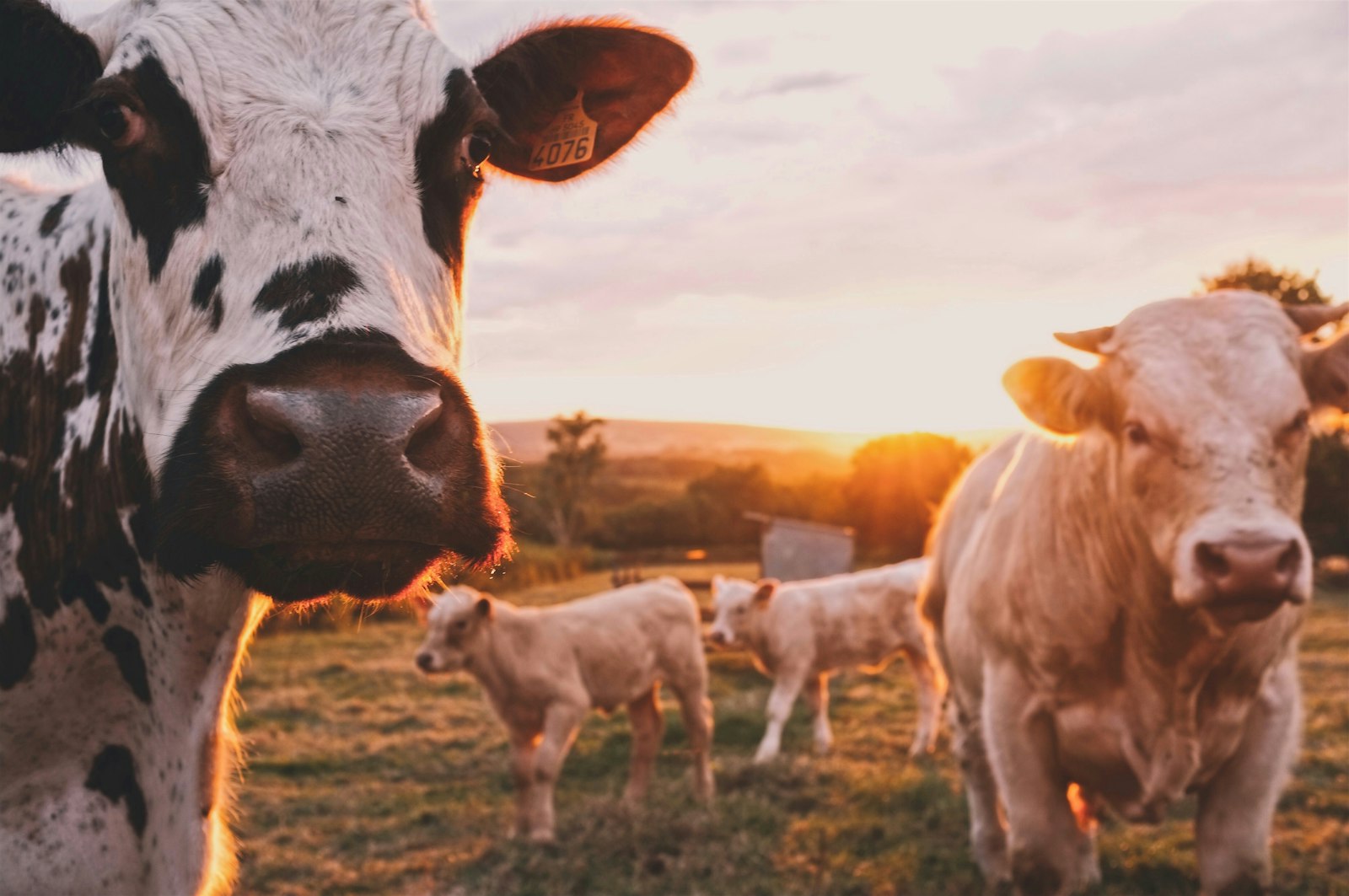
Every few years rotational grazing gets rediscovered by the internet and presented as either a miracle or a con. It is neither. It is a tool, it works, and like every tool it works better when you know what it is actually for. Here is what eleven years of doing it on a wet hill farm has taught me.
The principle is one sentence: grass grows grass. A plant grazed to the boards and immediately regrazed never rebuilds leaf area, so it draws down root reserves until it gives up; a plant given proper rest regrows from leaf, photosynthesises at full speed, and thickens. Everything else — the paddock counts, the mob sizes, the apps — is bookkeeping in service of that sentence.
Start embarrassingly simple. Split whatever you have into eight to twelve paddocks with a single electric wire — polywire and pigtails, nothing permanent, because your first layout will be wrong and you want it to be cheap to be wrong. Move stock when the sward ahead of them is ready, not on a calendar. Going in around three inches and coming out around an inch and a half is a decent starting rule for sheep country; adjust with your eyes, not the ruler, once you know what "ready" looks like on your own ground.
The mistakes I made so you don't have to: I moved on rigid days-per-paddock and burnt out my best fields in a dry June — rest periods stretch and shrink with growth rate, from three weeks in flush to six or more when it is dry. I built too few paddocks and wondered why it barely worked. I chased someone else's stocking density from a video filmed on ground three times better than mine. And I did not budget water — every paddock needs it, and hauling it in a dry spell will make you hate the whole system in a fortnight.
What it actually delivered here, honestly stated: roughly a third more grazing days off the same acres by year four, hay bought only in genuine drought years, visibly better sward composition with clover volunteering back, and — the part nobody advertises — calmer stock, because they are handled every day or two and associate you with fresh grass. What it cost: wire, water fittings, and about ten minutes a day of moving fences, which I now find is the best ten minutes of the day.
Start this season, start small, and keep a diary. Your future self will want the record of what your ground actually did.
By Tom Hargreaves